10 Early Warning Signs of Addiction You Should Never Ignore
✓ Medically Reviewed & Certified
Reviewed by Dr. A. K. Sharma, MD (Psychiatry), Chief Clinical Officer
Published: Jan 15, 2026
Last Modified: August 07, 2026
Addiction is a progressive condition that affects a person's physical health, mental well-being, relationships, career, and overall quality of life. It rarely develops overnight. In most cases, there are subtle warning signs that appear long before addiction becomes severe. Recognizing these early symptoms can help individuals and families seek professional treatment before the condition worsens.
Whether the addiction involves alcohol, prescription medications, opioids, cannabis, or other substances, early intervention significantly improves the chances of long-term recovery. Unfortunately, many people dismiss these warning signs as temporary stress, social habits, or lifestyle changes until the addiction begins affecting every aspect of life.
Explore Jaago Rehab’s Inpatient Care & Facilities
Learn about our residential accommodations, medical staff, and admission protocols.
This article explores the 10 early warning signs of addiction, explains why they occur, and outlines when it's time to seek professional help.
What Is Addiction?
Addiction is a chronic medical condition characterized by an inability to stop using a substance despite harmful physical, emotional, social, or financial consequences. It changes how the brain functions, particularly the areas responsible for reward, decision-making, memory, and self-control.
Without appropriate treatment, addiction often becomes more severe over time. However, with timely medical care, counseling, and rehabilitation, recovery is possible.
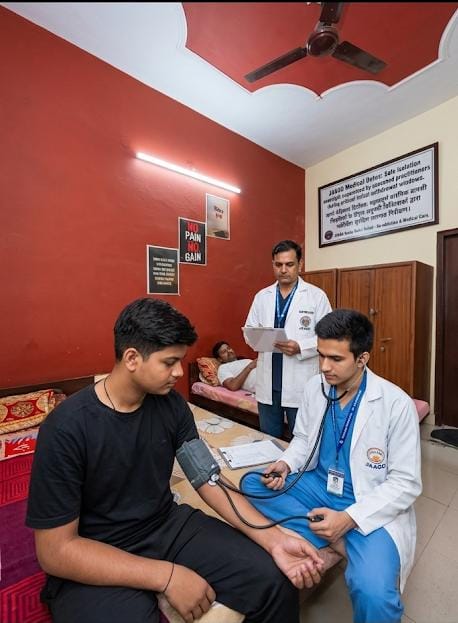
1. Loss of Control Over Substance Use
One of the earliest warning signs is repeatedly consuming more alcohol or drugs than originally intended. You may notice:
- Difficulty stopping after one drink or one dose.
- Frequently exceeding planned limits.
- Repeated unsuccessful attempts to quit.
- Feeling unable to function without the substance.
2. Increasing Tolerance
Tolerance develops when the body becomes accustomed to a substance, requiring increasingly larger amounts to produce the same effects.
3. Withdrawal Symptoms
Severe alcohol or drug withdrawal can become life-threatening and should always be managed under medical supervision through structured Alcohol Addiction Treatment and medical detoxification programs.
4. Constant Cravings
Persistent cravings are one of the strongest indicators of addiction. These urges result from profound neurotransmitter changes in the brain's reward system.
Need Immediate Professional Clinical Assessment?
Seeking help early prevents long-term organ damage and psychological decline. Learn about our complete treatment programs or explore the Jaago Center Main Facility Tour Section:
5. Neglecting Responsibilities
As addiction develops, work, education, and family responsibilities often begin to suffer. Missing work shifts, declining academic performance, and financial instability become common.
6. Personality and Mood Changes
Family members are often the first to notice emotional changes like extreme irritability, depression, anxiety, secrecy, and sudden social withdrawal.
7. Risky or Dangerous Behaviour
Driving under the influence, unsafe social choices, or physical aggression increase the likelihood of life-altering legal and physical trauma.
8. Losing Interest in Activities Once Enjoyed
Hobbies, exercise, sports, family gatherings, or social activities are abandoned as substance acquisition becomes the sole focus.
9. Relationship Problems
Substance addiction frequently damages trust within family circles, resulting in isolation and emotional exhaustion for loved ones.
10. Continuing Despite Serious Consequences
Continuing to use substances despite deteriorating physical health, financial distress, job loss, or legal issues is the hallmark diagnostic sign of addiction.
Trusted Government & Mental Health Resources
Final Thoughts
Recovery is possible with timely medical care, counseling, family support, and a structured rehabilitation program. The earlier treatment begins, the greater the likelihood of achieving lasting sobriety.
